Bee Watering Station Review: Quick Product Overview
Open bowls look harmless until you watch a bee land on a slick edge and struggle. The Bee Watering Station for Garden Floating with Safe Landing Pads | Butterfly & Pollinator Watering Station| Beekeeping Supplies & Outdoor Garden Décor. Butterfly (Orange) is meant to solve that small, common garden problem without turning your patio into a beekeeping project. At $11.49 and listed as In Stock, it sits firmly in the low-cost accessory category, not the equipment category.
The promise is simple: a floating orange butterfly-shaped water station with shallow drinking areas, textured hexagonal landing pads, and outdoor weather-resistant construction. That is useful if you already keep a bird bath, garden bowl, pond edge, or container of water and want insects to have a safer surface. In 2026, pollinator-friendly garden upgrades are everywhere, but this review stays with the practical question: will this particular piece make daily watering easier for you and safer for bees and butterflies?
No current star rating or review count was visible in the provided product details at drafting time, so this review does not invent buyer consensus. Before purchase, you should check the live listing for current ratings, recent photos, and any new comments about how it floats in real garden setups.
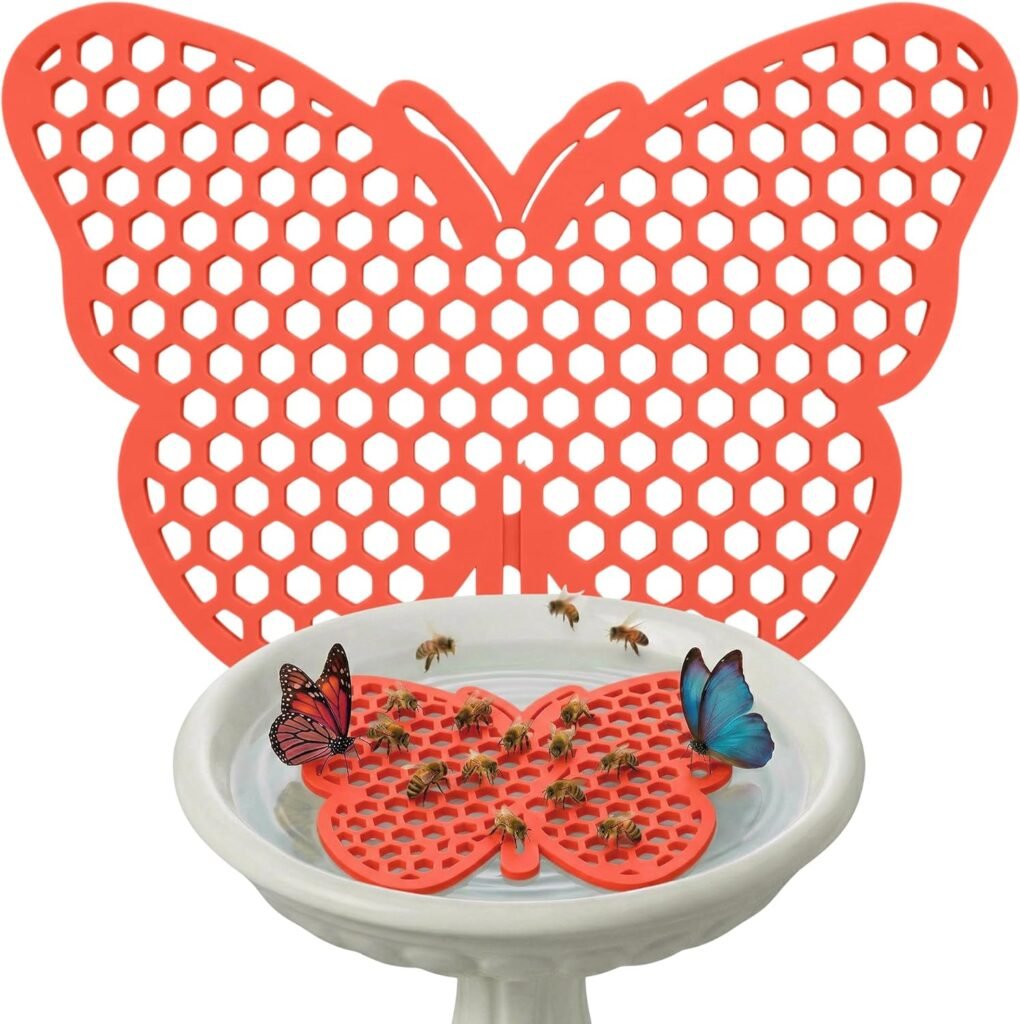

Bee Watering Station for Garden Floating with Safe Landing Pads | Butterfly & Pollinator Watering Station| Beekeeping Supplies & Outdoor Garden Décor. Butterfly (Orange)
$11.49
In Stock
As an Amazon Associate, I earn from qualifying purchases
Key Features of the Bee Watering Station
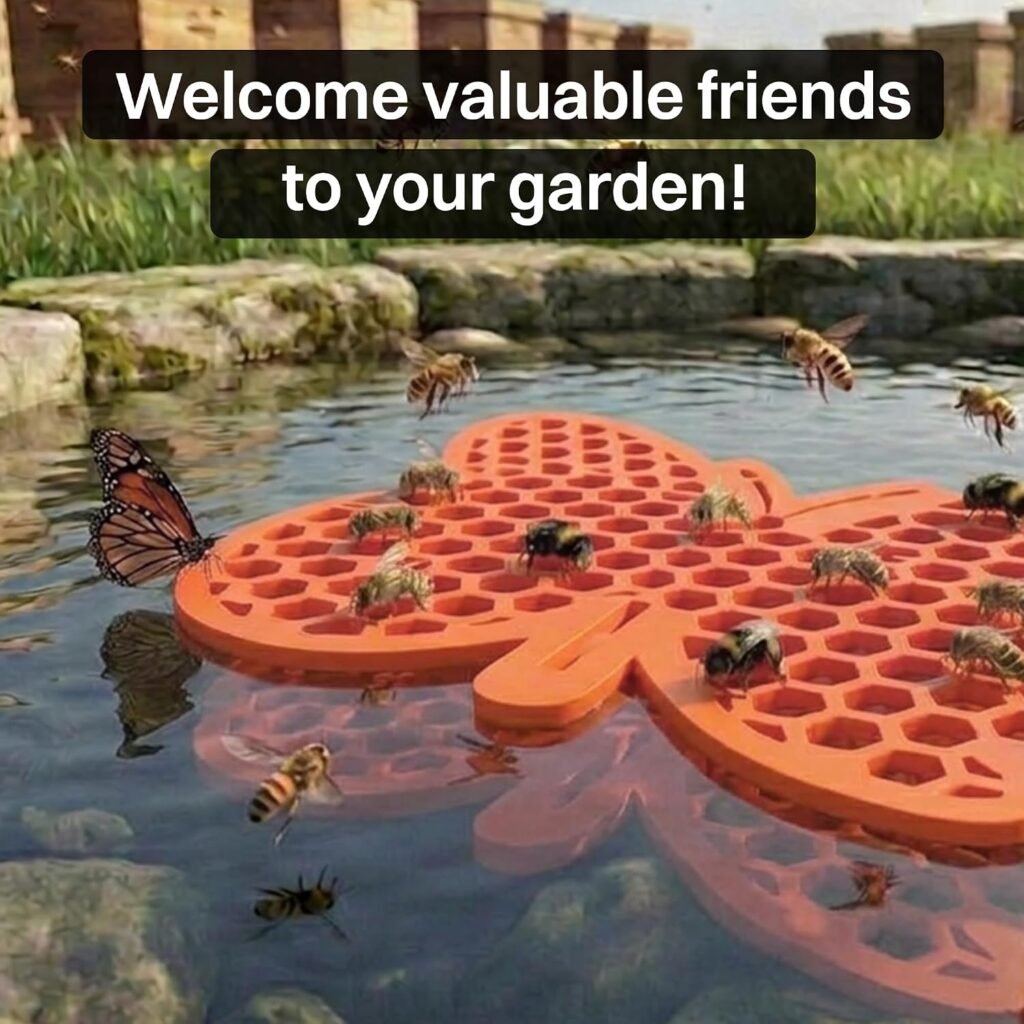
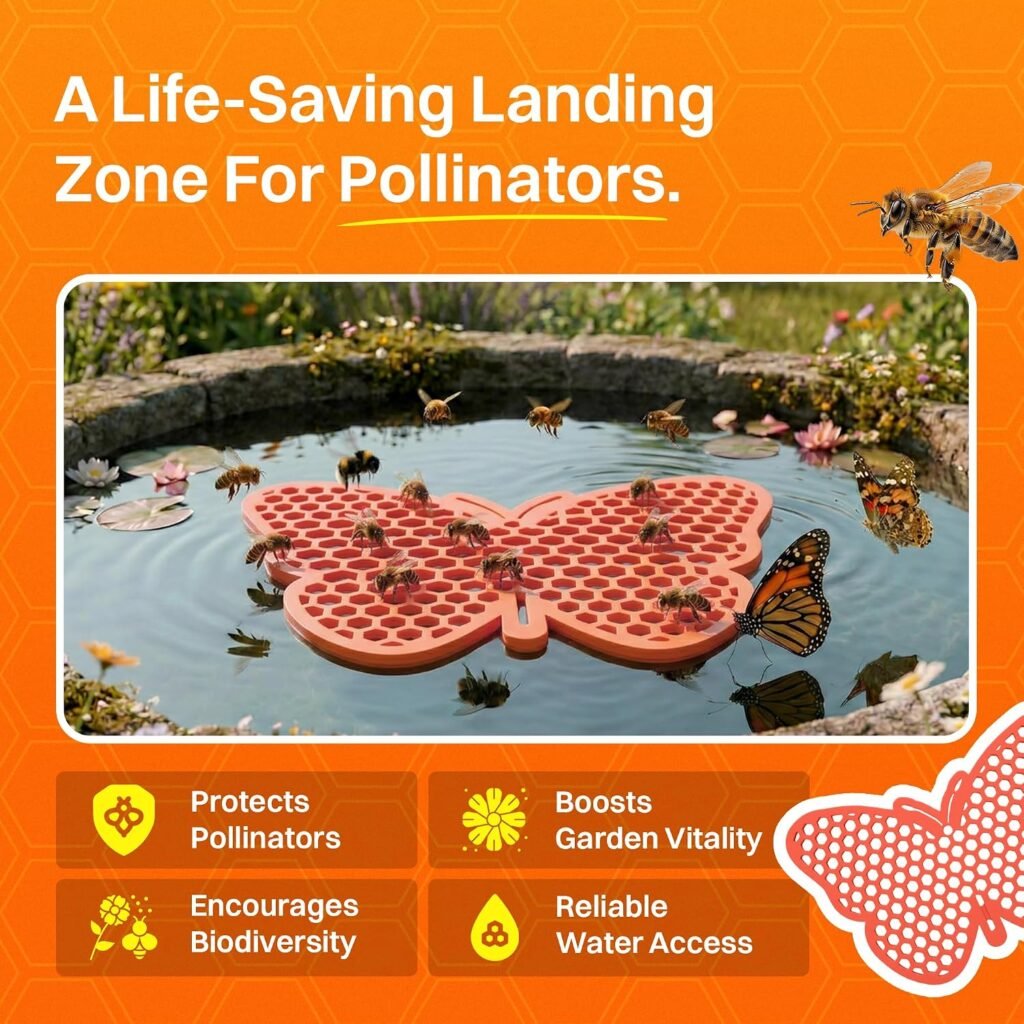
The main reason to consider this Bee Watering Station is safety. Bees, butterflies, and other beneficial insects need water, especially when gardens are dry or hot, but deep dishes and slippery containers can create a drowning hazard. This product is designed as a passive floating landing surface that helps turn an existing water source into something more approachable for small pollinators.
The orange butterfly shape gives it more personality than a plain plastic insert, but it also has a practical side. The listing describes a textured hexagonal surface intended to give insects secure footing while they land, drink, and lift away again. It is not a nectar feeder, hive tool, or automatic watering system. It does one job: it floats on water and creates shallow access points.
| Feature | Details |
|---|---|
| Price | $11.49 |
| Color / design | Butterfly (Orange) plus others – yellow, red, purple… |
| Format | Floating watering accessory |
| Intended users | Bees, butterflies, and other pollinators |
| Placement options | Bird baths, garden bowls, ponds, and outdoor containers |
Its lightweight, portable build matters more than it might seem. If you rent, garden on a balcony, or move containers during periods of heat, a small floating insert is easier to manage than a fixed garden feature. You can lift it, rinse it, and shift it without rearranging the whole corner of the yard.
Safe Landing Pads and Shallow Compartments Explained
The safer-drinking idea behind this Bee Watering Station is plain enough: give insects something to stand on before they reach the water. A bare bucket, deep saucer, or smooth bird bath rim can leave a bee with poor grip, and once its wings get wet, the situation can go badly. Shallow compartments reduce that risk by limiting how much water the insect has to reach across or enter.
The textured hexagonal surface matters because bees and butterflies do not land like large birds. They need a small, grippy place where their legs can hold while the water shifts a little under them. If wind ruffles the surface or a bird splashes nearby, that texture may help them steady themselves long enough to drink and take off.
- Start on calm water so you can see how the station sits naturally.
- Watch whether it remains level before assuming the setup is ready.
- Adjust the container depth or location if wind, splashing, or uneven movement pushes it to one side.
Keep it as a clean water station. Do not add sugar water, honey, pesticides, essential oils, or scented additives. Refresh the water regularly, and rinse the station when algae, pollen, or garden debris begins collecting in the textured areas.

Floating Design for Bird Baths, Bowls, Ponds, and Containers
The floating design is the detail that separates this from stones placed in a dish. As the water level rises or falls, the drinking surface can move with it rather than sitting too high above the water or sinking below easy reach. For pollinators, that difference can mean a more consistent access point.
Best placements are simple: a shallow bird bath, a wide garden bowl, a still pond edge, or a stable outdoor container away from heavy foot traffic. Test the station in the exact container you plan to use, because a setup that looks fine in one bowl may drift or tilt in another. Steep-sided containers can also make approach harder if insects cannot find a natural route down to the water.
The butterfly shape has another practical advantage: visibility. A clear or stone-colored waterer can disappear into the bath, but this one should be easier for you to spot when it is time to clean or remove it.
- Fill the container with clean water.
- Place the station gently on the surface.
- Wait for it to settle instead of pushing it into position.
- Observe its stability from more than one angle.
- Refresh the water as needed during regular garden care.
Weather Resistance and Day-to-Day Maintenance
The listing describes the Bee Watering Station as made from high-quality, weather-resistant material for outdoor use. That supports normal exposure to garden conditions such as sun, rain, pollen, dirt, leaf fragments, and temperature swings. What the provided product details do not specify are exact material type, UV rating, or expected lifespan, so it would be unfair to promise years of performance without visible testing or manufacturer specifics.
Maintenance is easy, but it is not optional. Stagnant water can turn cloudy quickly in warm months, and shallow garden containers collect bits of soil, petals, pollen, and algae. The textured surface that helps insects grip can also hold buildup if it is ignored for too long.
A realistic upkeep routine looks like this:
- Lift it out during your normal garden check.
- Rinse it under water to remove loose dirt and pollen.
- Wipe textured areas if green film or stuck debris appears.
- Refill the container with fresh water before replacing the station.
The lightweight build makes those steps less annoying. You are not hauling a heavy basin or scrubbing a fixed feature. The trade-off is that a light floating accessory may behave better in a calmer spot than in a windy, exposed corner where leaves and splashing water constantly push it around.
This image is property of Amazon.com.
What Customers Are Saying
No verified star rating, review count, or customer comment set was included in the available product details for this Bee Watering Station. Because of that, there is no honest way to say that buyers praise its stability, complain about its size, or report frequent butterfly visits. Those may be useful things to investigate, but they cannot be treated as established feedback without current visible reviews.
What can be separated clearly are the manufacturer-stated claims: the product is described as floating, lightweight, portable, easy to clean, weather-resistant, and designed with shallow compartments plus a textured hexagonal landing surface. Customer experience is a different matter. Verified buyers may confirm those points, contradict them, or add context, such as whether the station drifts in real bird baths or whether bees actually use it in a particular garden.
Before checkout, scan the most recent reviews with care. Look for photos showing the station floating in containers similar to yours, not just close-up product shots. Give more weight to repeated patterns across multiple comments than to one delighted or irritated review, because pollinator activity depends heavily on nearby flowers, water competition, weather, and pesticide exposure.
A useful review check would include three questions: does it stay level, does it clean easily, and do insects land on it after a few days? If the current listing has only limited feedback, treat this as a low-cost trial rather than a proven garden essential.
Who the Bee Watering Station Is Best For
This Bee Watering Station is best for gardeners who already have pollinator activity and want to make water access safer. If your beds include flowers, herbs, vegetables, or native plants, a small landing platform can be a sensible finishing touch. It works especially well as a companion to an existing water source, because the product itself is the floating insert rather than a full basin.
Backyard beekeepers may also find it useful as a simple supplemental landing surface near a garden. Still, it should not be confused with broader hive-management supplies. It does not replace proper apiary water planning, colony care, disease monitoring, or seasonal beekeeping equipment.
The fit is also strong for butterfly gardeners, container gardeners, patio owners, and gift buyers who want outdoor décor that does something. At $11.49, it makes sense as an add-on item, a small garden gift, or a seasonal pollinator support accessory.
You should pause if you need a large-capacity livestock waterer, an automated fountain, a heated winter water source, or a heavy fixed feature for an exposed windy area. The decision rule is simple: buy it if you already have a suitable shallow water source; skip it or choose a full waterer if you need the container included.
Value Assessment at $11.49
At $11.49 and marked In Stock, the Bee Watering Station is priced like a convenience accessory. You are paying for the floating format, orange butterfly styling, textured landing surface, shallow drinking areas, portability, and quick cleaning. Those are modest features, but they are also exactly the sort of features that can save you from assembling a less tidy workaround every week.
The obvious DIY comparison is stones in a saucer. That can be cheaper, and many gardeners already use pebbles, marbles, cork pieces, or twigs to create insect landing points. The downside is that DIY pieces may shift, sink, collect grime, or look messy if the container is part of a visible patio or flower-bed display. A dedicated floating butterfly insert gives you a neater look and a surface designed around insect footing.
The value is weaker if your garden rarely attracts pollinators or if you do not have a calm water container ready. Water alone will not bring bees if there are no flowers, nesting resources, or pesticide-free areas nearby. It is also wise to confirm the current checkout price, because small outdoor accessories can fluctuate.
For the right garden, the value is convenience and appearance. It is not a magic bee attractor. Think of it as one small support piece in a healthier pollinator setup.
Bee Watering Station vs Other Amazon Options
The Bee Watering Station fits a narrower role than some competing garden water products, and that is not necessarily a bad thing. It is best understood as a floating landing platform for people who already own a water-holding container. If you want the entire waterer included, a different product type may make more sense.
Wildlife World Bee & Butterfly Waterer is better suited to shoppers looking for a dedicated bee and butterfly waterer rather than a floating insert, depending on its current availability, price, and listing details. Mumtop Glass Bird Bath Bowl, by contrast, is more of a decorative basin. It may look lovely in a garden, but bees may still need stones, marbles, or another landing aid to make the water surface safer.
| Product | Product type | Best use | Includes basin? | Ease of cleaning | Likely garden style |
|---|---|---|---|---|---|
| Bee Watering Station for Garden Floating with Safe Landing Pads | Floating insert | Adding safer access to an existing water source | No | Simple lift-and-rinse care | Pollinator beds, patios, small containers |
| Wildlife World Bee & Butterfly Waterer | Dedicated waterer | Shoppers wanting a complete watering item | Varies by model listing | Depends on design details | Wildlife gardens, beekeeping areas |
| Mumtop Glass Bird Bath Bowl | Decorative basin | Adding a visible garden water feature | Yes | Glass bowl cleaning required | Ornamental flower beds, patios |
Without current competing prices, ratings, and specifications in front of us, it would be careless to call one best overall. The fair distinction is use case: this product is the low-cost floating platform option for someone who already has the water source handled.
How to Set It Up for Better Pollinator Use
A Bee Watering Station works best when the rest of the garden gives pollinators a reason to visit. Start with clean water, add the station gently, then observe it during the warmest active part of the day when bees and butterflies are more likely to move through the area. If nothing visits, do not assume failure after an hour. A new water source can take time to be discovered, especially where rain puddles, irrigation drips, pet bowls, or neighboring gardens already provide alternatives.
Place water near pollinator-friendly plants, but keep it away from treated lawns, freshly sprayed areas, and spots where pets may knock the container over. Bees often prefer reliable water once they find it, so consistency helps. If you keep changing the location every day, they may not establish a habit around it.
Take a quick photo after setup. Over several days, compare water level, cleanliness, and the station’s position. It is a small habit, but it tells you whether the setup is drifting, getting dirty too quickly, or staying where insects can use it.
| Issue | Likely cause | What to try |
|---|---|---|
| Station drifts | Wind, splashing, or uneven surface movement | Use a calmer water spot or reduce disturbance nearby |
| Water gets dirty | Pollen, leaves, soil, or algae buildup | Shorten the cleaning interval and remove debris sooner |
| No insects visit | Few nearby blooms or competing water sources | Add pollinator plants and give the water source several days |
| Mosquitoes appear | Water left standing too long | Refresh water more often and avoid neglected containers |
Final Buying Guidance Before You Add It to Your Garden
The Bee Watering Station is most compelling as a low-cost, decorative floating landing aid for existing garden water sources. It gives bees, butterflies, and other pollinators a more considered place to drink than a plain open dish, and the orange butterfly design makes it pleasant enough to leave in view.
The two checks before buying are practical. First, you need a compatible water container. Second, you need the willingness to keep the water fresh and the surface clean. If either part is missing, even a nicely designed accessory will not do much.
At $11.49 and listed as In Stock, it is an easy add-on for pollinator gardens, butterfly gardens, patio planters, and backyard beekeeping areas, as long as expectations stay realistic. Confirm the current customer rating, recent buyer photos, and checkout price before you place the order, because listing details can change.
If your garden already has flowers and a shallow water spot, this product is worth considering. If it does not, fix the habitat first. The bees will tell you, in their small and practical way, whether you have done enough.
Pros and Cons
Pros
- Low $11.49 price makes it an accessible add-on for pollinator-friendly gardens.
- Floating format helps maintain access as water levels change.
- Textured hexagonal landing surface is designed to help bees and butterflies grip while drinking.
- Orange butterfly design works as simple outdoor décor as well as a functional landing aid.
- Lightweight and portable, so cleaning and repositioning should be straightforward.
Cons
- Does not include a water basin or container.
- No current rating or review count was provided, so buyer sentiment must be checked on the live listing.
- Lightweight design may not suit windy, exposed garden spots.
- Will not attract pollinators by itself if the garden lacks flowers, habitat, and clean conditions.
- Requires regular rinsing and water refreshing to prevent dirty or stagnant water.
Final Verdict
Key Takeaways
- The Bee Watering Station is a floating orange butterfly-shaped insert for existing garden water sources.
- Its main practical feature is the combination of shallow drinking areas and textured hexagonal landing pads.
- At $11.49, it offers good value if you already have a calm container, bird bath, pond edge, or garden bowl.
- It is not a feeder, automated system, or complete waterer, so expectations should stay modest.
- Regular water refreshing and surface cleaning are essential for safe, useful pollinator support.
Frequently Asked Questions
Does the Bee Watering Station include a bowl or basin?
No. Based on the provided product description, it is a floating watering accessory designed for use in an existing bird bath, garden bowl, pond, or outdoor container.
Can I put sugar water or honey in it for bees?
No. Use clean water only. Sugar water, honey, scented additives, pesticides, or treated liquids can create problems for bees and other insects.
Is this Bee Watering Station a full beekeeping system?
No. It is a passive garden water accessory with landing pads and shallow compartments. It is not a hive tool, feeder, automatic waterer, or replacement for proper beekeeping management.
What should I check before buying?
Make sure you already have a suitable water container, and check the live listing for current ratings, recent customer photos, availability, and the current checkout price.
Disclosure: As an Amazon Associate, I earn from qualifying purchases.